
Brush Care
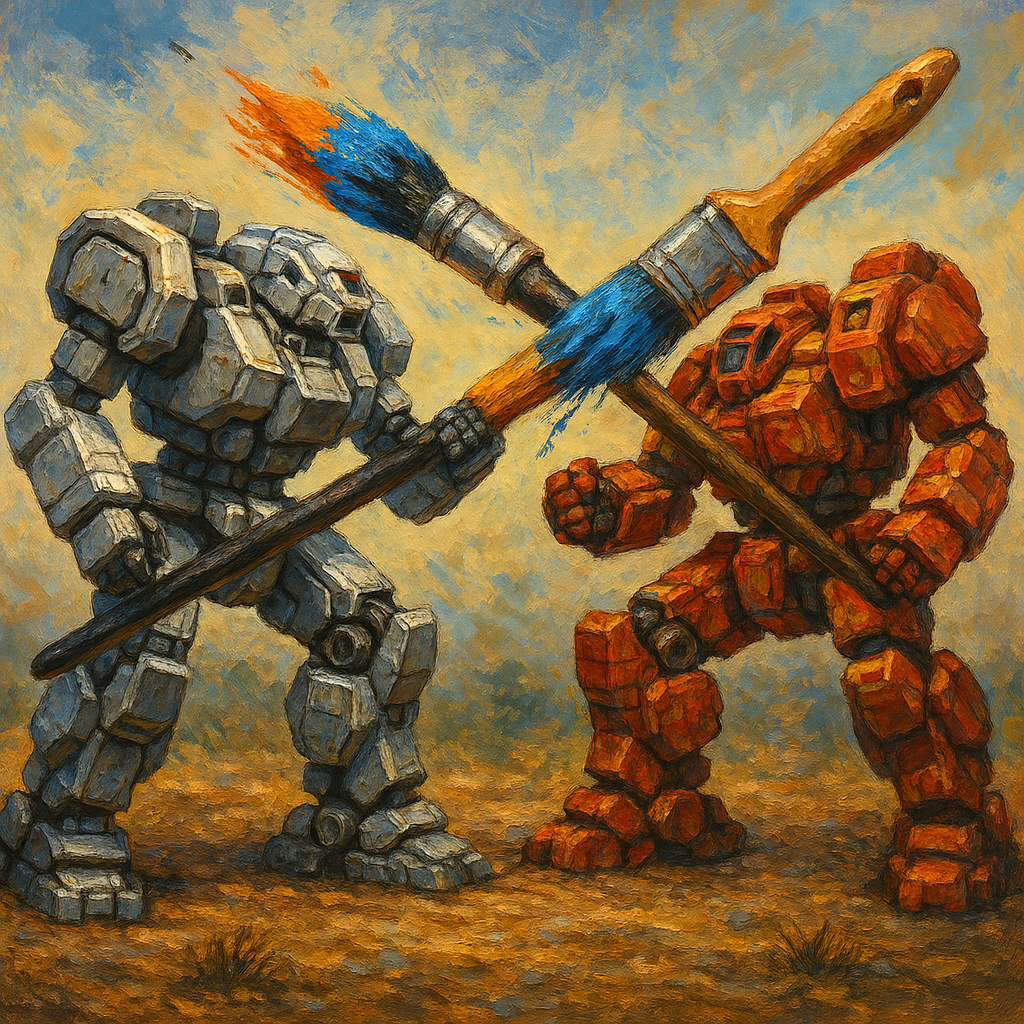
Proper Paint Brush Care for Miniature Painters
How to keep your detail brushes sharp and your dry brushes alive far longer than they deserve—
Why Brush Care Matters
Miniature painting can be brutal on brushes. Acrylics dry fast, pigments are fine and abrasive, and the techniques we use—stippling, scrubbing, edge‑picking—can destroy bristles quickly. Good care. Extends the life of expensive sable brushes – Keeps points sharp for eyes, edge highlights, and freehand painting. Conditions like splaying, curling, and “hooking” can be frustrating. Think of brush care as part of the painting process, not an afterthought.
Detail Brushes (Size 3 on lower)
During Painting: The Golden Rules
These habits matter more than anything else. Keep paint out of the ferrule. The ferrule (the metal part) is where brushes go to die. – Load paint only on the front ⅓ of the bristles – Roll the brush on your palette to shape the point – Thin your paints so they flow—don’t stab the brush to force it
Rinse constantly
A quick swirl every 1–2 minutes prevents drying in the belly of the brush. Use two water cups.
Cup 1: Dirty rinse
Cup 2: Clean rinse for final swish This keeps pigment from building up in the bristles. Never scrub or mash the tip. If you need to push paint around aggressively, switch to a synthetic or an older “beater” brush.
After Each Session: Cleaning & Conditioning
This is where most painters cut corners—and where brush life is won or lost.Step-by-step cleaning routine
1. Rinse in clean water until no color comes out.
2. Use brush soap (The Masters, Pink Soap, or similar).
3. Lather gently by swirling the brush in the soap with light pressure.
4. Work the soap through the bristles with your fingers, pulling pigment out from heel to tip.
5. Rinse thoroughly until water runs clear.
6. Shape the point with your fingers.
7. Let dry horizontally or with the tip downward.
Why conditioning matters. Brush soap contains oils that keep natural hair supple. Without it, sable dries out, splits, and loses its point.
4. Deep Cleaning (Weekly or After Heavy Use)
If your brush is losing its point or feels “crunchy,” do this:
Use a stronger lather of brush soap – Gently pinch and pull pigment from the base. Repeat until the brush feels soft again
Reshape the point and let it dry overnight Avoid harsh solvents—acrylics don’t require them, and they damage natural hair.
PART II — DRY BRUSHES
(Round, Flat, or Makeup-Style)Dry brushes live a hard life. They will eventually die, but you can dramatically extend their usefulness.
5. During Painting: How to Avoid Premature Death
Use the right paint consistency. Dry brushing works best with paint that’s slightly creamy—not watery, not straight from the pot. Always offload the brush thoroughly. Pigment buildup is a killer of dry brushes.
Use:- Paper towels – Microfiber cloths – Makeup sponges Use gentle motions when possible. (Paper towels can deposit fibers on your brush if heavily Used)
Heavy scrubbing destroys bristles. For smoother results, use:
Light, repeated passes – Makeup-style soft brushes for large surfaces – Stippling only when necessary
6. Cleaning Dry Brushes
Dry-brushes don’t need the same pampering as detail brushes, but they do need regular cleaning.After each session
1. Rinse in warm water
2. Use brush soap
3. Massage pigment out of the heel
4. Rinse until clear
5. Reshape lightly (don’t force a point. Dry brushes aren’t meant to be sharp)
Avoid soaking or leaving a dry brush in water as it tends to bend the bristles permanently.
7. Storage & Handling
DOs:
- Store brushes horizontally or bristles-up.
- Use brush caps for travel.
- Keep them away from heat sources.
- Separate detail brushes from other brushes.
Don’t:
- Leave brushes sitting in water. Store them bristles down.
- Let paint dry on the.
- Use your good brushes for metallics, washes, or glue.
8. When to Retire a Brush
Even with perfect care, brushes eventually wear out. A detail brush is ready for retirement when the point won’t return. The belly will feel stiff or the tip hooks/ splits. If it struggles to hold paint, its time to delegate it to other duties.
Retired brushes make excellent wash brushes, texture paint applicators or weathering tools.
Dry brushes are “dead” when:- Bristles clump – The brush scratches instead of blending – Pigment won’t wash out of the heel
9. Quick Reference Cheat Sheet
Detail Brushes
- Thin your paints
- Rinse constantly
- Keep paint out of the ferrule
- Clean with brush soap
- Condition and reshape
Dry Brushes
- Offload thoroughly
- Avoid aggressive scrubbing
- Clean with soap
- Don’t soak
- Expect a shorter lifespan.

Leave a Reply