
Why BattleTech Endures
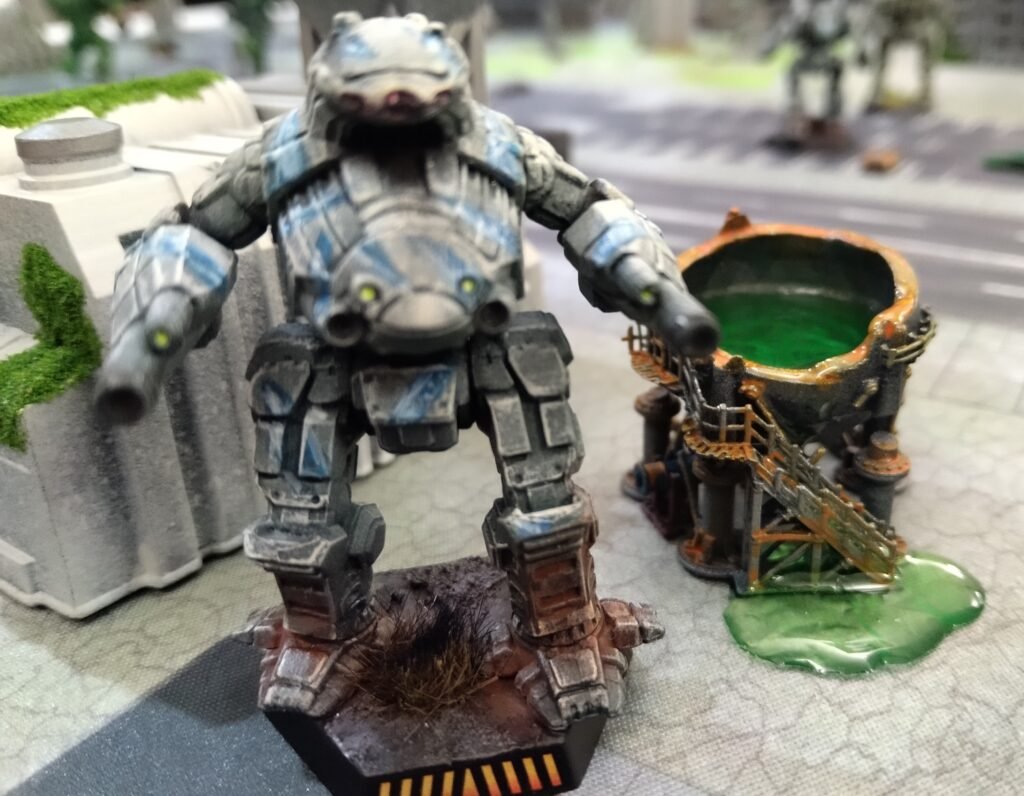
The Timeless Appeal of Big Stompy War Machines
Few sci‑fi universes have the staying power of BattleTech. Since 1984, it has survived shifting trends, changing publishers, multiple game editions, and the rise and fall of entire genres. Yet here we are in 2026, and the community is bigger than ever. New players are discovering the setting through video games, minis, novels, and actual‑play streams — while long‑time fans are dusting off their old Technical Readouts and diving right back in.
So what makes BattleTech so enduring? Why does the Inner Sphere keep pulling us back?
The Mechs Are Characters, Not Just Machines
Every ‘Mech in BattleTech has a personality.
A Shadow Hawk feels different from a Hunchback, and a Atlas is a celebrity. These machines aren’t interchangeable stat blocks — they’re icons with reputations, quirks, and battle scars.
Players don’t just pilot a chassis.
They bond with it. That emotional connection is a huge part of why the setting sticks.
A Universe That Feels Lived‑In
BattleTech’s lore is famously dense, but in the best way.
It’s a place where:
- Successor States feud like medieval dynasties.
- Mercenaries gamble their livelihoods on every contract.
- Clans bring honor, trauma, and culture shock in equal measure
- Technology is precious, political, and often irreplaceable.
The result is a universe that feels old, scarred, and real — a place where every planet has a history and every faction has a motive.
Tactical Depth Without Losing the Fun
(Well almost…Classic BatttleTech is an acquired taste for some.) Whether you’re playing tabletop, Alpha Strike, or a digital adaptation, BattleTech hits a sweet spot:
- Enough options to reward smart play.
- Constant chaos to keep things exciting
- Customization to make every lance feel personal, every company a legend.
It’s a game where a single lucky crit can change the course of a battle, and a veteran pilot’s survival feels like a story moment.
The Novels Keep the Heart of the Setting Beating
From the early Stackpole classics to the modern Legends line, BattleTech fiction has been a glue that helps hold the universe together.
The novels give us:
- Heroic last stands
- Political intrigue
- Mercenary drama
- Clan honor duels
As well as the occasional “oh no, everything is on fire” moment. Then again, it wouldn’t be the Inner Sphere is something wasn’t burning.
They’re pulpy, punchy, and surprisingly emotional — exactly what a mech‑war universe needs.
The Community Is the Real Engine
Let’s be honest: BattleTech fans are built different. Who else could keep the setting going throughout all the difficulties of the past. Not the IP holders, Battletech will always endure, so long as faithful players continue to do so.
We’re archivists, painters, storytellers, tacticians, and lore‑keepers. They’ll debate the merits of a small laser on an Urbie for hours, share paint schemes like trade secrets, and welcome new players with enthusiasm.
This is a fandom that keeps the PPCs hot — and it shows.
So Where Does BattleTech Goes Next
That’s a great question…one I don’t have the answer to. New minis, new fiction, new players, and possible digital projects on the horizon, BattleTech isn’t slowing down. It’s evolving — but without losing the gritty, grounded charm that made it special in the first place. (Sorry, not counting gothic. That’s a ride I refuse to ride.)
If you’re a veteran, there’s never been a better time to return.
If you’re new, welcome to the Inner Sphere.
Just remember: never trust a contract that pays too well…or a Clanner!
Leave a Reply